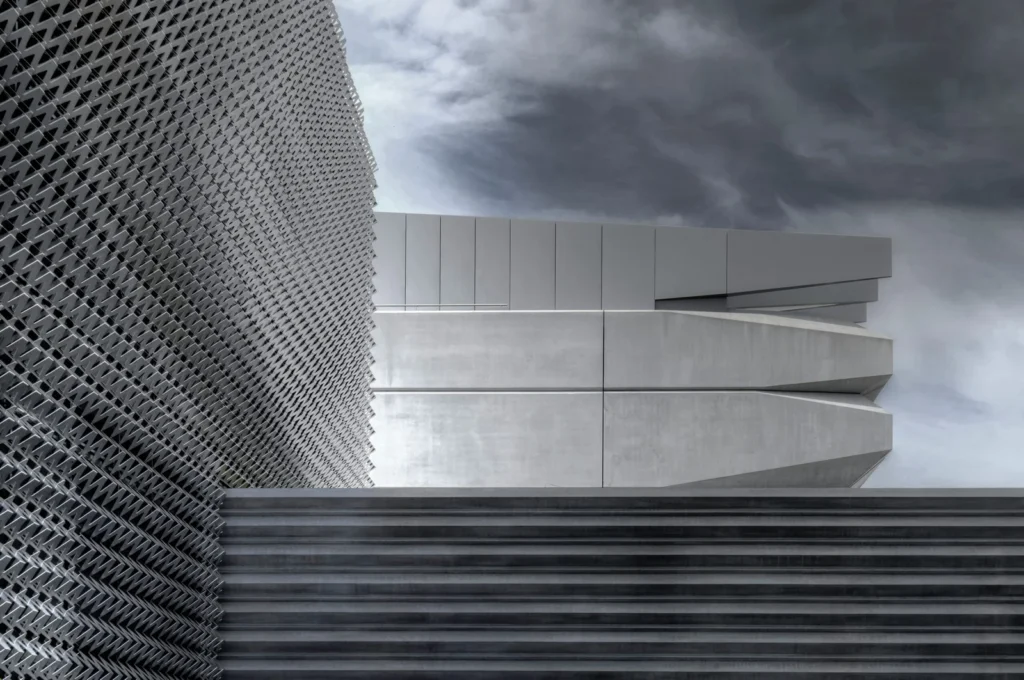
Precast concrete is a versatile and innovative construction material that offers a wide range of design possibilities. With its ability to be molded into various shapes and sizes, precast concrete provides architects and designers with the flexibility to create unique architectural features and achieve different finishes. In this blog post, we will explore the design flexibility of precast concrete and showcase its versatility in creating stunning architectural elements.
1. Customizable Shapes and Sizes
One of the key advantages of precast concrete is its ability to be customized into different shapes and sizes. Unlike traditional cast-in-place concrete, precast concrete allows for the creation of complex geometries and intricate details. Whether it’s curved walls, decorative columns, or sculptural elements, precast concrete offers endless design possibilities.
Architects and designers can work closely with precast concrete manufacturers to create molds that match their specific design requirements. This level of customization ensures that the final product is unique and tailored to the project’s aesthetic vision.
2. Architectural Features
Precast concrete is widely used in the creation of architectural features that add visual interest and enhance the overall design of a building. These features can include window surrounds, cornices, balustrades, and decorative panels.
By using precast concrete, architects can achieve intricate details and textures that would be difficult or time-consuming to achieve with other construction materials. The versatility of precast concrete allows for the replication of natural materials such as stone, brick, or wood, providing a cost-effective alternative without compromising on aesthetics.
Additionally, precast concrete can be combined with other materials such as glass or metal to create striking visual contrasts. This combination of materials adds depth and character to the architectural design, making it stand out from the surrounding structures.
3. Different Finishes
Precast concrete offers a wide range of finishes that can be applied to achieve different aesthetic effects. These finishes can mimic the appearance of various materials or create unique textures and patterns.
Some of the popular finishes for precast concrete include:
- Exposed Aggregate: This finish showcases the natural beauty of the aggregates used in the concrete mix. By removing the top layer of the concrete surface, the aggregates are exposed, creating a textured and visually appealing finish.
- Sandblasted: In this finish, the surface of the precast concrete is blasted with sand to create a smooth and uniform texture. Sandblasting can be used to achieve different levels of roughness, depending on the desired aesthetic effect.
- Polished: Precast concrete can be polished to a high-gloss finish, similar to polished stone. This finish adds a touch of elegance and sophistication to any architectural design.
- Textured: Textured finishes can be achieved by using molds or by applying specialized coatings to the precast concrete surface. These finishes can replicate the appearance of materials such as brick, wood, or even natural stone.
By choosing the right finish, architects and designers can enhance the visual appeal of their projects and create a cohesive design language throughout the building.
References to Related Websites
If you want to learn more about the design flexibility of precast concrete and explore further examples of its architectural applications, here are some websites you can visit:
- Precast/Prestressed Concrete Institute (PCI)
- ArchDaily – Precast Concrete
- Concrete Construction – Precast
These websites provide valuable information, case studies, and inspiration for architects, designers, and anyone interested in the design possibilities of precast concrete.
Conclusion
Precast concrete offers unparalleled design flexibility, allowing architects and designers to create unique architectural features and achieve different finishes. Its customizable shapes and sizes, along with a wide range of available finishes, make precast concrete a versatile material for creating stunning and visually appealing structures.
By harnessing the design possibilities of precast concrete, architects can push the boundaries of creativity and bring their architectural visions to life. Whether it’s a modern office building, a residential complex, or a public space, precast concrete offers the design flexibility needed to make a lasting impact.